The spawn is on at the Issaquah Hatchery
Published 6:32 pm Wednesday, October 3, 2012
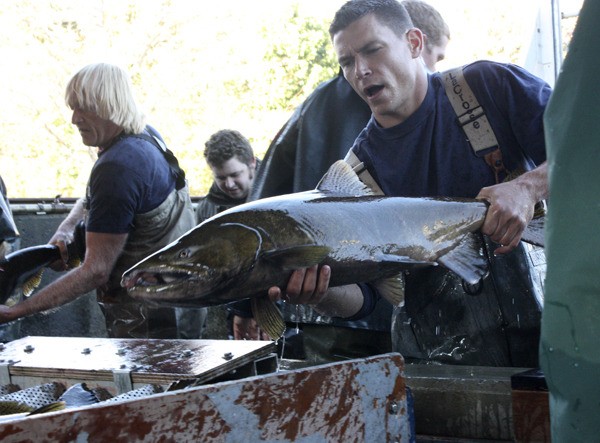
When the giant metal gate starts to push forward, their fate becomes inevitable.
They’ll either give up their eggs or milt, be killed and considered surplus — or for the fortunate few, they’ll be sent upstream to end their lives with a natural spawn.
This tradition is one that’s played out at the Issaquah Hatchery the last 75 years, and one that makes it a place many consider one of a kind.
“I don’t know any place else in the world where you can drive, get out of your car and walk for five minutes and see this in an urban setting,” said Friends of the Issaquah Salmon Hatchery volunteer Richard Sowa.

The retired Forest Service employee, who is in his first season of volunteering with FISH, spent Tuesday milking male chinook salmon. While he’s only been around the hatchery a month, the process didn’t take long to catch on.
“They’re ready,” Sowa said. “You just pick them up and compress their stomach.”
Other volunteers were responsible for wrangling the fish, slicing open the bellies of the females for eggs, or simply counting the number of wild compared to hatchery fish.
Nearly 50 volunteers showed up Tuesday to help with the second spawn of the season.
While many are old pros, Linda Avery took her first attempt at wrangling salmon.
“It’s just very strange because it’s just constantly somebody pushing at you,” she said, noting she was only able to actually grab a couple of fish. “They handed me a couple and I lost two.”
The hatchery will continue with the process once a week for the next two to three weeks until it reaches its goal.
“We usually have four or five spawns,” said Darin Combs, hatchery director. “We want to get eggs from a good representation of the run, we don’t want to get all early fish, so we spread out the spawns.”
 The goal of fertilized eggs isn’t set in stone yet. Combs said that budget cuts have caused cutbacks with their partners at the Muckleshoot Tribe. He said the number could wind up anywhere between 1.2 and 2.2 million.
Once the eggs and milk were collected Tuesday, they were combined with milt in incubators. From there, they will be left untouched for 40 to 50 days while they are in the Alevin stage, They are then taken from the incubators to be weighed and sampled and placed back in the incubators where they will spend another 40 days. After they have absorbed all their nutrients, the fry are placed into larger ponds where they are fed. Three months after that, the fish are clipped for identification and let go.
Thrills & Gills
Issaquah’s annual Salmon Days runs from 10 a.m. to 6 p.m., Oct. 6-7 on Front Street. Admission to booths, live entertainment and the hatchery is free.

Hatchery Director Darin Combs puts a salmon in the counter after removing its eggs. The fish are then put in a bin and shipped off to a company where they are processed for food or fertilizer. Some are also sent to food banks.