
Erickson files for new logging permit on Squak Mountain
Published 12:49 pm Monday, April 8, 2013
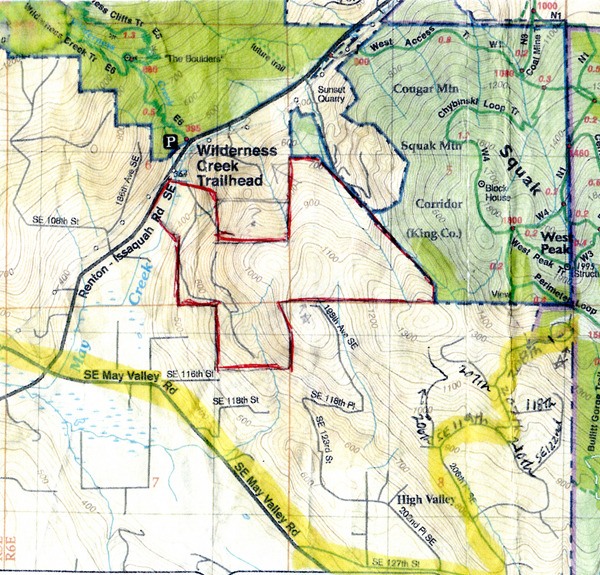
Erickson Logging is seeking a new logging permit, this time for 95 acres of the 216-acre parcel it owns on Squak Mountain.
Bruce McDonald with the state Department of Natural Resources said a habitat assessment is required on about 40 acres, due to concern over a rare seabird, the marbled murrelet.
“I don’t know if they didn’t want to bother or what, but’s it’s pretty common to take a piece of property and apply for separate permits,” McDonald said.
Erickson said he will apply for a permit for the rest of the property at a later time, adding that he is still working to sell the property to King County. Appraisals are being done now, he added.
The new permit excludes a large triangular piece that is higher up the mountain and contains old growth timber. Of concern is whether or not there is habitat for the marbled murrelets. The robin-sized seabirds forage in the ocean, but they nest in mature old-growth forests, exactly what is found high on Squak Mountain. McDonald said they found trees that were identified as potential platforms for the bird. Erickson said he does plan to have a study done to see if there are any active habitat for the birds on the mountain.
The area to be logged now is what is referred to as the old camping club, which is directly off of SR 900, the Issaquah-Renton highway. The group, Save Squak, argues that the parcels are not suitable for a clear-cut timber harvest based on the land’s topography and geology. It also says soil erosion, possibly leading to landslides after heavy rains, would impact travel on SR 900 and that heavy equipment and log hauling trucks entering and exiting SR 900 would congest traffic.
“Flooding concerns for May Valley are not diminished by this planned 95 acre clear cut,” the group’s website says.
May Valley resident Helen Farrington, whose property is below the triangular piece, said that after the downpour the weekend of April 6 and 7, May Creek rose one and one-half feet.
“Water’s coming off the hillside as usual,” she said.
Farrington and her immediate neighbors installed a new culvert at a cost of $100,000 to ease the flooding. As an extra bonus, salmon even returned to the creek. Farrington said the threshold for triggering a State Environmental Policy Act (SEPA) review is a 70-percent grade. Erickson’s application states “All areas which have slopes greater than 70 percent or that cannot be harvested by the Tiger Cat, will be harvested by utilizing a cable harvesting system.”
Farrington is concerned that there is still a possibility of harvest on the upper portion, which could result in flooding.
The period for comment from citizens is April 16, but McDonald said the DNR will accept comments up to 30 days, which is approximately May 2.