Sammamish neighborhoods seeks ways to preserve vital wildlife corridors
Published 12:40 pm Friday, April 3, 2009
The first thing you notice when you pull into the driveway of Elaine McEnery’s home in the Tree Farm neighborhood of Sammamish is the quiet.
Like many such neighborhoods around the city, sheltered from the main roads behind lush tracts of forest, Tree Farm feels like a residential oasis, the homes and gardens not dominating or eroding the surrounding natural environment but apparently coexisting with it.
As idyllic at it might sound, McEnery is one of a growing band of residents who believe that homeowners can do much more to improve the relationship between human development and the environment of which we are stewards.
She is the driving force behind the Sammamish Wildlife Habitat Project, a community push to have the city recognized as one of the first certified Community Wildlife Habitats in the nation.
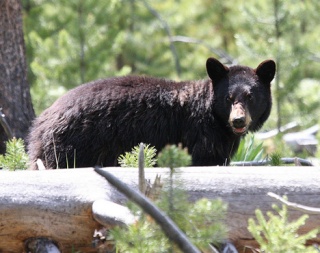
The basic concept behind the project is to make our backyards more wildlife friendly, and to extend and connect the wildlife corridors that currently splash randomly across the city map.
There are 31 communities currently certified as Community Wildlife Habitats in the United States, and five of them are here in Washington state: Tukwila, Camano Island, Fidalgo Island/Anacortes, Lake Forest Park and Alki.
Eleven Washington communities are now registered and undergoing the certification process, which, requires that a certain percentage of homes be certified as Backyard Wildlife Habitats.
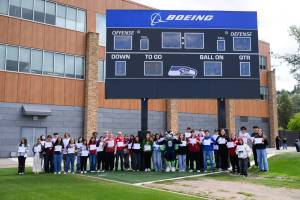
Sammamish already has five local schools certified as wildlife habitats — Arbor Montessori School, Sammamish Children’s School, Christa McAuliffe Elementary, Discovery Elementary and Inglewood Junior High School.
“I’m no environmental extremist. I just believe in trying to pass on an environment to my children in a better condition than when we found it,” McEnerny said. “And I’m not naive about development. The population is always growing, and the people have got to live somewhere, but I don’t think that necessarily means we have to keep having a negative impact on the wildlife and nature around us.”
A Community Wildlife Habitat is a community where the residents make it a priority to provide habitat for wildlife by providing the four basic elements that all wildlife need: food, water, cover and places to raise young.
In the Tree Farm neighborhood, and many like it around the city, that means making backyards places that will accommodate the movement of animals from green space to green space.
McEnerny said that planting native plant species and removing non-native and invasive plants, and not using chemical fertilizers was a way to not only ensure safe passage and shelter for animals, but also was the key to other environmental health issues in the area, such as the water quality in lakes and basins.
“I, for one, had no idea that there were so many drainage basins across the city, all of which are affected by what we do on our own lawns,” she said. “When you have a look at the maps of these basins, and wildlife corridors, it is easier to see importance of each individual neighborhood in the bigger picture.”
McEnerny said that she was also looking for businesses and the managers of public areas to look into ways they could be more habitat friendly — particularly those with large lawn areas, such as churches and golf clubs.
The group understands that educating the public will have to be a priority if they are to reach their goal of 150 Backyard Wildlife Habitats.
For this purpose they have started a blog page, with links to information about native plants, conserving water, rain gardens, and attracting and living with wildlife, at www.sammamishwildlifehabitatproject.blogspot.com.
The Sammamish Community Wildlife Habitat Team meets at 4 pm on the fourth Monday of every month at the Sahalee Fire Station.
For more information, contact McEnerny at elaine@parexis.com.