Environment key in Winterstein’s city council plans
Published 3:20 pm Friday, November 4, 2011
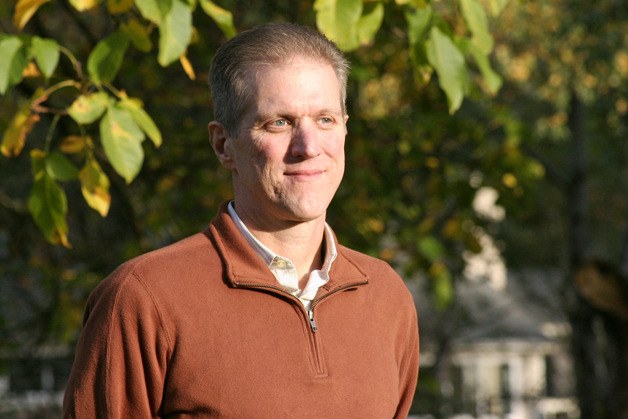
When faced with the decision to buy a fourth car for his teens or start riding his bike to work, Paul Winterstein realized he needed to lead by example.
The 50-year-old rides to Redmond twice a week, pumping up Squak Mountain on his return home. He’s an outdoorsman by heart with a human services bend.
“I have moss growing on my feet,” he said with a laugh.
Winterstein is running unopposed in the Nov. 8 General election for John Traeger’s seat on Issaquah City Council.
While the environment tops his list of concerns, so does the ability for people to enjoy it.
Issaquah was named one of the best places to live by Outdoor Magazine, and it was all based on location. Issaquah should play into that, he said.
He envisions that Issaquah’s identity could be as wrapped up in Lake Sammamish State Park like Redmond’s identity is in Marymoor.
The future councilmember also served on the city’s Mountain Bike Task Force, which looked at ways to create connectivity for mountain bikers in the city.
Raised in upstate New York, Winterstein made his migration to the Issaquah area after graduating from Ohio State University in 1984.
He came out for a tech job at Boeing. He’s now into business information technology.
He was never tempted to leave, he said. “I had water, I had mountains, I had valleys.”
He saw Issaquah grow up from a quiet town to an Eastside city.
When he first arrived, State Route 900 only had a stop sign at Gilman Boulevard.
“I’ve seen dramatic changes,” he said, “but I’ve adapted.”
Change is coming again to Issaquah in the next 30 years through the central plan, which the council expects to approve next year. The challenge is explaining the plan to people, he said.
While he’s pleased with increasing density with condo towers, he still has concerns about protecting the environment and how the city plans to mitigate increased traffic from the new growth.
Winterstein was first pulled into city business through his volunteerism at a nightly hot meals program.
For his leadership in the program, Mayor Ava Frisinger chose him for the city’s new Human Services Commission, which he chaired in 2007.
Over the past three years, he’s helped distribute about $650,000 in grants to non-profits.
In 2009, a former city councilmember encouraged him to run for City Council. He turned down the opportunity, but in February he applied to fill councilmember Maureen McCarry’s seat after she stepped down for medical reasons.
He wasn’t picked, but was encouraged by Traeger to consider running in the fall election.
Since nine people applied for McCarry’s spot, Winterstein expected at least one to challenge him. Much to everyone’s surprise, no one did and he’s running unopposed.
A father of four, he’s concerned about what kind of city he leaves behind, he said. “It’s different for families raising children. We say, ‘What kind of legacy have we left?’”

Paul Winterstein